
Donate, Sell, or Trash? How to Decide What to Do With Unwanted Items (Copy)
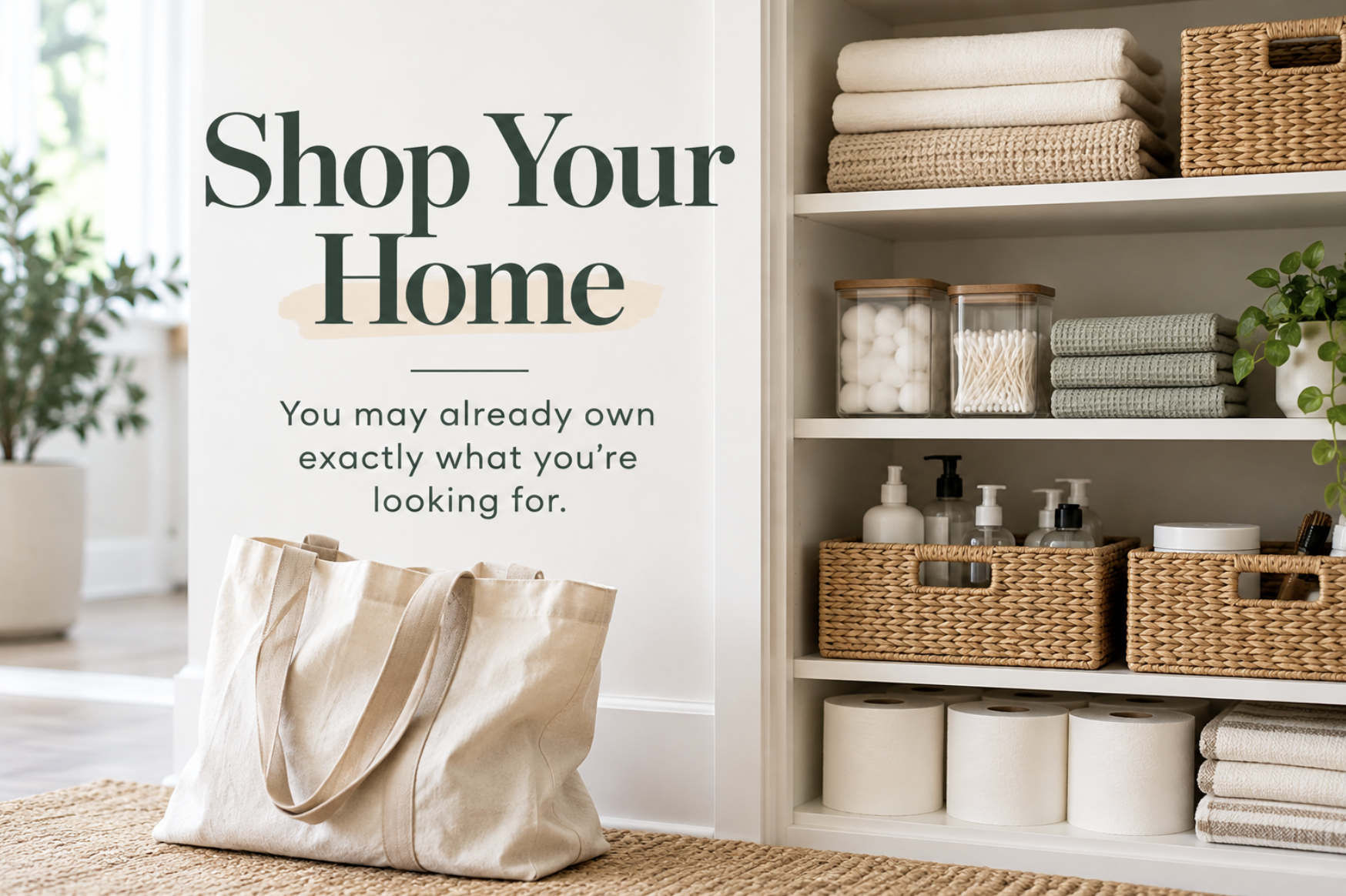
One of the fastest ways to prevent clutter and chaos from growing in your home is to first pause the incoming items and then shop your own home. Not everyone loves this initial suggestion, but hear me out if you're looking to make some changes.
I recently had the opportunity to hear Carrie Rattle, an overshopping specialist and co-author of the updated book To Buy or Not to Buy, speak at our NAPO (National Association of Productivity and Organizing Professionals) Colorado chapter meeting. She shared so much wisdom about the emotional side of shopping and the importance of creating a pause between the urge to buy something and actually making the purchase.
That idea connects directly to what we see every day in our organizing work and the functional systems we set up for our clients.
Pause before you purchase
Shopping can provide an immediate dopamine hit, and most of the time it's easier to click "buy" than it is to deal with the things we already own.
Buying a new shirt is often more fun than deciding which clothes to donate or even putting the new shirt away, let alone dealing with laundry! I get it, I do, but here are a few questions from Carrie to consider, especially if you're trying to spend less, reduce clutter or simply become more mindful about shopping.
Why am I here? (On a website, in a store, etc.)
How do I feel?
Do I need this?
What if I wait?
How will I pay for it?
Where will I put it?
That last question is one of my favorites as an organizer. Knowing where something will go and if there's room for it is an important consideration, especially when working on minimizing clutter.
This isn't about never shopping
This isn't an anti-shopping message. It's simply about creating awareness around the items coming into your home.
As organizers, our role is to help you understand and manage the physical environment around your belongings. Sometimes that starts with simply helping you see what you already have and encouraging you to pause new purchases while we're organizing in your home.
Organizing helps you know what you have
One of the things we often create for clients is a backstock, a designated place for extra household supplies such as shampoo, soap, toilet paper, cleaning products, pantry staples or snacks.
When you can see what you already have, you're less likely to buy something you don't need.
I often hear clients say:
"I was wondering where that was. I couldn't find it, so I bought another one."
We've all been there.
Organization doesn't just make a space look and feel better. It gives you information. Knowing what you have can save money, reduce waste and save you the time and frustration of buying things twice.
Sometimes you'll find exactly what you need. And sometimes you'll discover that you really do need to buy something. Either way, you're making the decision with more information.
Organizing doesn't mean you can't buy anything new. It means you can make decisions from a place of awareness.
So before your next shopping trip or online scroll, try pausing and asking yourself a few intentional questions. Then take a look around your own home before making a mindful decision about what you truly need.
